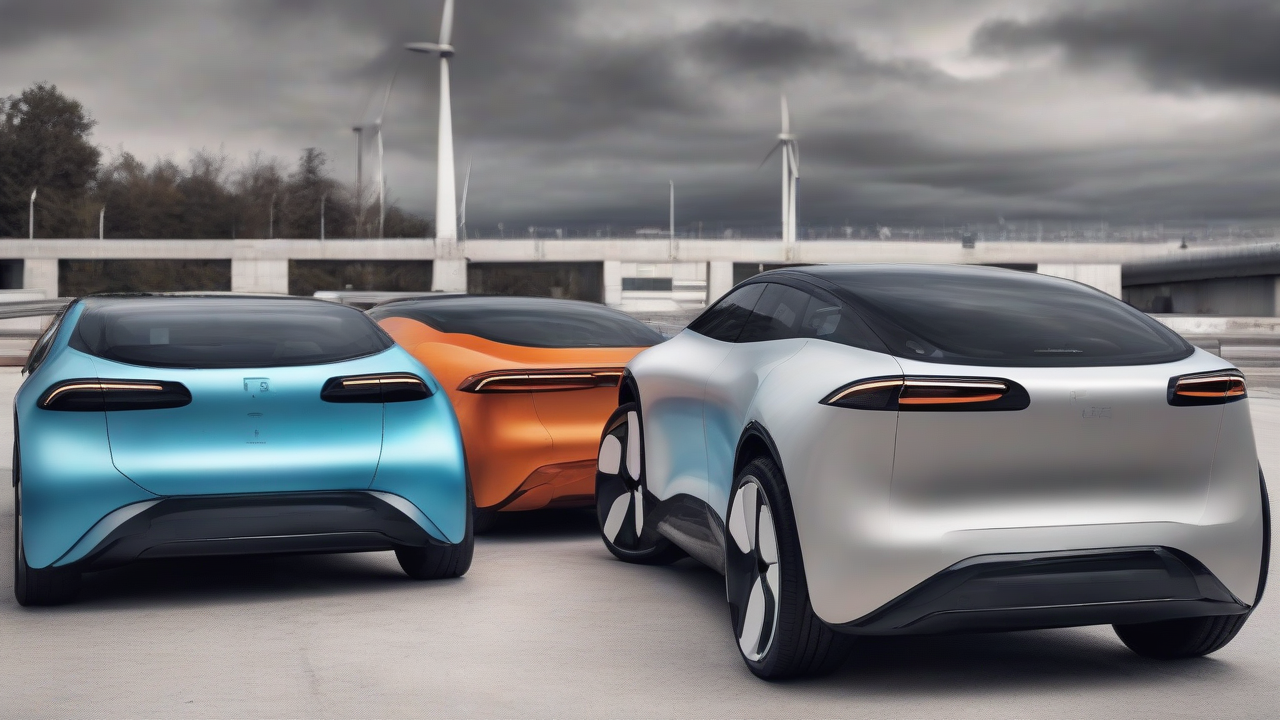
A Quick Glimpse of 2026
The electric vehicle (EV) landscape is set to transform dramatically over the next few years, and 2026 promises to be a milestone. From faster batteries to seamless charging networks and smarter driver‑assist systems, the changes will feel less like technological upgrades and more like a shift in everyday life. If you’re curious about what the next three years will bring, keep reading – the future is closer than you think.
Batteries That Go the Distance
Battery chemistry is finally catching up with the hype. Solid‑state cells, once a laboratory curiosity, are entering limited production, offering energy densities 20‑30 % higher than today’s lithium‑ion packs. The result? Most new EV models will comfortably cruise 350‑400 miles on a single charge, and “range anxiety” will become a relic of the past. Faster charging is another win: 350 kW stations can refill 80 % of a battery in under fifteen minutes, making road trips feel just as easy as refueling a gasoline car.

Charging Becomes as Common as Wi‑Fi
By 2026, public charging will be as ubiquitous as coffee shops. Municipalities and private companies are rolling out ultra‑dense networks of 150‑kW to 350‑kW chargers, often bundled with solar canopies and energy‑storage systems that keep the grid stable. For homeowners, the average new build will include a Level‑2 charger in the garage, and many will upgrade to bidirectional (Vehicle‑to‑Home) chargers that can power a house during outages. The convenience factor will finally tip the scales for skeptics still waiting on infrastructure.
Smarter, Safer, More Autonomous
Electric cars are also becoming the testing ground for advanced driver‑assist technologies. In 2026, Level‑3 autonomy – hands‑off driving on highways and in specific urban zones – will be standard in many mid‑range EVs. Combined with over‑the‑air software updates, manufacturers can improve performance, safety, and even add new features months after the vehicle leaves the showroom. Expect smoother traffic flow, fewer accidents, and a driving experience that feels more like a personal concierge than a traditional car.

Prices That Appeal to the Mass Market
The cost curve is finally bending downward. Battery packs are projected to dip below $80 per kilowatt‑hour, translating to a $5,000 reduction in vehicle price compared to 2023. Coupled with government incentives that are gradually shifting from purchase rebates to tax credits for used EVs, more families will find electric cars affordable without sacrificing style or performance. By 2026, a compact EV under $30,000 will be a common sight on city streets.
Sustainability Extends Beyond the Battery
Manufacturers are taking a holistic view of environmental impact. Recycled materials, low‑emission production lines, and circular‑economy battery‑return programs will become industry norms. Expect transparent carbon‑footprint dashboards built into vehicle infotainment systems, letting drivers see exactly how clean their journey is in real time.

Looking Ahead
The electric revolution is no longer a distant promise; it’s an imminent reality. Faster, farther‑driving batteries, ubiquitous high‑power charging, smarter autonomy, and more accessible pricing are set to converge by 2026. As these pieces fall into place, driving an EV will feel less like a tech experiment and more like the everyday, sustainable choice. Buckle up – the road ahead is electrifying.