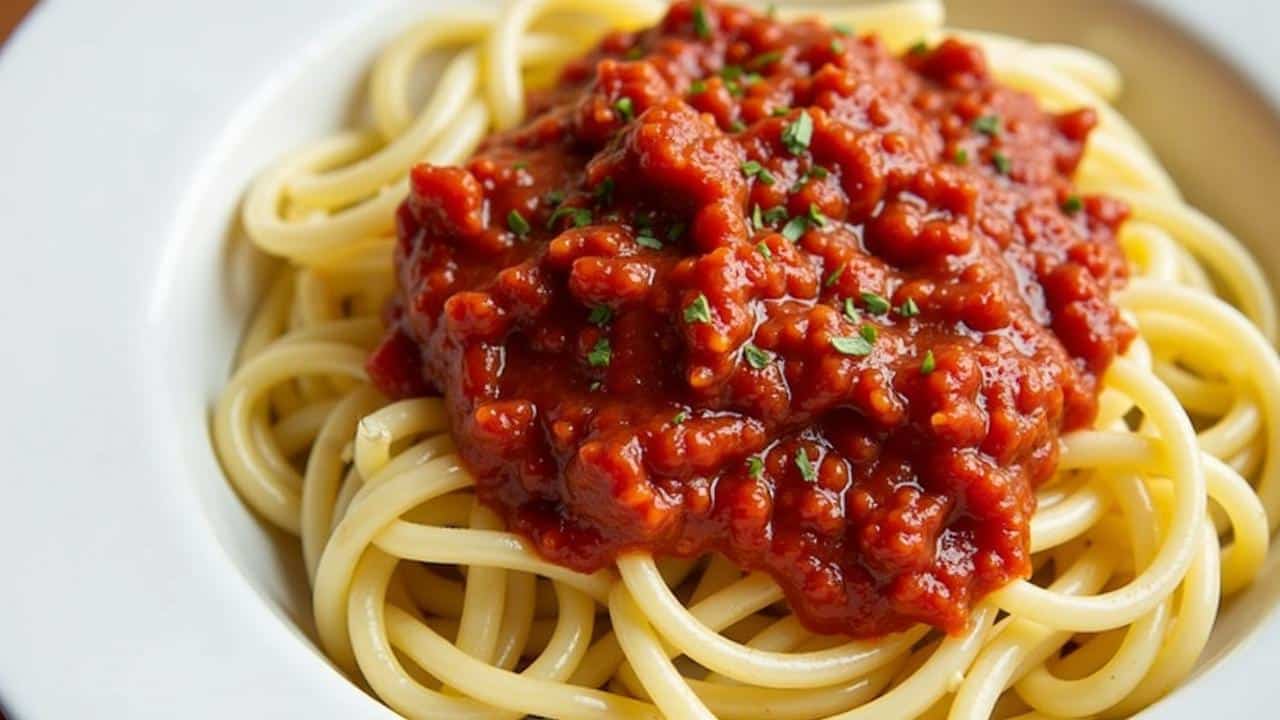
The quiet genius of a four‑ingredient pasta sauce
There’s a certain magic that happens when you strip a dish down to its bare essentials. The kitchen becomes a place for listening rather than showing off, and the ingredients get to speak for themselves. Imagine a Tuesday night, the kettle humming, a pot of water waiting, and a pan that holds only butter, garlic, tomatoes and a pinch of salt. No exotic herbs, no splash of wine, no hidden pantry treasures. Just four humble players, a little patience, and the confidence that something delicious can emerge from such simplicity.
When you finally taste that sauce, you’ll notice how each component has been given space to shine. The buttery richness, the bright acidity of the tomatoes, the fragrant warmth of the garlic and the subtle tightening that salt provides all come together in a way that feels almost cinematic – a small, everyday scene that suddenly feels special.

Why fewer ingredients often mean more flavor
Most of us have been conditioned to believe that a great sauce needs a long list of “secret” items. A recipe that calls for fifteen different herbs and spices looks impressive on a screen, but it also creates a crowded stage where flavors can fight for attention. The reality in professional kitchens is the opposite: chefs rely on a handful of high‑quality basics and let technique do the heavy lifting.
Four ingredients give you three big advantages:
- Clarity – Your palate can focus on each taste without being overwhelmed.
- Control – Small adjustments (a dash more butter, a pinch extra salt) have an immediate, noticeable impact.
- Speed – With fewer items to prep and measure, the dish comes together quickly, which is perfect after a long day.
The result is not a “plain” sauce, but a refined one that feels intentional and satisfying.
Picking the four essentials
- Tomatoes – Canned whole peeled tomatoes are a reliable choice year‑round. Look for a brand that uses San Marzano or a similar variety for a balanced sweet‑acid profile. If you have perfectly ripe fresh tomatoes in season, they work beautifully; just crush them by hand for texture.
- Garlic – Two cloves for a serving of pasta is a sweet spot. Too little and the sauce may feel flat; too much and it can dominate. Slice evenly so the pieces brown at the same rate.
- Butter – A good-quality unsalted butter provides the fat needed for silkiness and a subtle nutty aroma once it begins to brown.
- Salt – Fine sea salt or kosher salt, added gradually, pulls the flavors together and prevents the final dish from tasting muted.
All of these items can be grabbed in under five minutes from almost any grocery store, even a small corner market.

Step‑by‑step guide to the sauce
- Heat the pan – Use a medium‑sized, heavy-bottomed skillet. Over medium‑low heat, melt a generous knob of butter (about 2 tablespoons). The butter should melt slowly, producing a soft foam and a faint, sweet scent.
- Add the garlic – When the butter stops bubbling, stir in the sliced garlic. Keep the heat low enough that the garlic turns a pale golden color in about 30‑40 seconds. Resist the urge to brown it; burnt garlic adds bitterness that can’t be rescued.
- Introduce the tomatoes – Pour in the canned tomatoes, crushing them by hand directly into the pan or using a wooden spoon. If you’re using fresh tomatoes, chop them roughly and add them now. The pan should hiss gently as the liquid meets the butter‑garlic mixture.
- Season gradually – Sprinkle in a pinch of salt, stir, then taste. Add more salt in small increments, tasting after each addition. The sauce should taste slightly brighter than you expect because the pasta will dilute it.
- Simmer uncovered – Reduce the heat to low and let the sauce bubble gently. Stir occasionally, crushing any remaining large tomato pieces. After 20–30 minutes the mixture will reduce, thicken, and develop a glossy sheen as the butter emulsifies with the tomato flesh.
- Finish with pasta water – When the sauce reaches a thick, velvety consistency, ladle a splash of the starchy pasta cooking water into the pan. This helps bind the sauce to the noodles and adds a silvery sheen.
Tip: If you want an extra glossy finish, stir in a small knob of cold butter right at the end, off the heat.
Small adjustments that make a big difference
- Butter quantity – Don’t be shy. Using a bit more butter than the recipe calls for adds body and gives the sauce that restaurant‑style silk.
- Garlic size – Consistent thin slices ensure even cooking. Too thick and the pieces stay raw; too thin and they can burn quickly.
- Tomato texture – Hand‑crushing canned tomatoes leaves a rustic bite. Blending makes the sauce too smooth and sometimes watery.
- Reduction test – Drag a spoon across the pan; if the line stays visible for a second before the sauce fills it back in, you’ve reached the right thickness.
- Final toss – Transfer the drained pasta straight into the sauce, add a spoonful of pasta water, and toss over medium heat for a minute. This lets the noodles absorb the flavor and creates that “sauce‑clung” feel that makes a dish feel finished.
These micro‑moves are what line cooks do in the bustle of a restaurant, and they’re easy to replicate at home.

Common pitfalls and quick fixes
| Problem | Why it Happens | How to Fix It |
|———|—————-|—————|
| Garlic turns bitter | Heat was too high or garlic sat too long | Lower the temperature, add garlic later, or start with a smaller amount and build up |
| Sauce tastes flat | Not enough salt or butter | Add a pinch more salt, finish with a small knob of butter |
| Sauce is watery | Tomatoes released too much liquid or reduction time was too short | Increase simmer time, uncover the pan to allow evaporation |
| Pasta slides off the sauce | Sauce not thick enough or pasta not tossed back into the pan | Reduce sauce longer, add a splash of pasta water and toss together |
| Over‑cooked garlic | Added garlic before butter fully melted | Wait for butter to foam and release a nutty aroma before adding garlic |
Addressing these issues as they appear keeps the sauce on track without turning the process into a stressful troubleshooting session.

Bringing the sauce to the table
Serve the pasta immediately after the final toss. The heat of the pan will keep the sauce glossy, and the lingering butter aroma will fill the room, turning a simple dinner into a comforting ritual. Pair it with a crisp green salad and a glass of dry white wine if you like, but the sauce stands beautifully on its own.
If you’re feeling adventurous, sprinkle a tiny amount of freshly grated Parmesan or a handful of chopped basil at the very end. Even a modest garnish can elevate the dish while still respecting the four‑ingredient core.

Extending the minimalist mindset
Once you’ve mastered this sauce, you’ll start noticing other dishes that can be simplified. A roasted chicken seasoned only with salt, pepper, and a drizzle of butter can be just as satisfying as a recipe loaded with spices. The idea is to respect the natural flavor of each ingredient and let technique unlock its potential.
Try swapping the butter for a good-quality olive oil for a lighter version, or experiment with different tomatoes—crushed fire‑roasted ones for a smoky twist. The core principle remains: fewer, better‑treated components often yield more rewarding results.

Quick reference cheat sheet
- Melt butter over low‑medium heat.
- Add thinly sliced garlic; cook to pale gold.
- Add crushed tomatoes; stir.
- Salt gradually, tasting often.
- Simmer uncovered 20‑30 minutes, stirring occasionally.
- Finish with a splash of pasta water; toss pasta in the pan.
- Optional: stir in a final knob of butter for extra gloss.
Keep this list on your fridge to remind you that a great sauce can be as easy as these seven steps.
How the simple sauce changes your cooking perspective
After a few rounds, you’ll notice a shift: the kitchen feels less like a chore and more like a conversation. You become attuned to the sound of a gentle simmer, the scent of butter turning nutty, the moment garlic releases its perfume. Those tiny cues guide you better than any written instruction ever could.

On stressful evenings, the sauce offers a quiet sanctuary. While the tomatoes bubble, you have a few minutes to breathe, glance out the window, and let the aroma settle any lingering tension. The result is not just a meal, but a small act of self‑care that grounds you after a long day.
Frequently asked questions
Can I substitute olive oil for butter?
Yes, you can, and the sauce will still taste good, but you’ll lose some of the creamy mouthfeel that butter provides. Butter also contributes a subtle nutty note that oil doesn’t have.

Are fresh tomatoes preferable to canned?
During peak season, ripe fresh tomatoes can be fantastic. However, canned whole peeled tomatoes are more consistent year‑round and often have a balanced sweet‑acid profile that works well for this sauce.
What’s the ideal cooking time?
Aim for 20‑30 minutes of gentle simmer. You can extend it up to an hour on low heat if you want deeper flavor, just stir occasionally and add a splash of water if it gets too thick.

Should I add onions, herbs, or a pinch of sugar?
Try the sauce first with only the four core ingredients. If the tomatoes are good and you season properly, you may find those extras unnecessary. Feel free to experiment later, but keep the base simple.
Can I make the sauce ahead of time?
Absolutely. It stores well in the refrigerator for 3‑4 days. Reheat gently on the stovetop with a little water, and stir in a small knob of butter at the end to revive the shine.
Disclaimer
The information provided here is for general culinary guidance only. Cooking times may vary based on equipment and personal preference. Always handle hot pans and boiling liquids with care to avoid burns. This article does not constitute professional culinary training or medical advice.