A Rare Early‑Season Polar Vortex Disruption Is Building
Scientists have spotted an unusual development this winter: the polar vortex, the massive swirling mass of cold air that typically hangs over the Arctic, is weakening far earlier than normal. While the vortex often stays stable through the early months, this year its core is breaking apart in a way forecasters describe as “almost unprecedented.” The result could be an extended stretch of bitterly cold weather across much of North America and parts of Europe.
What Is the Polar Vortex?
The polar vortex is a giant cyclonic circulation of high‑altitude winds that keeps the frigid Arctic air bottled up over the pole. When the vortex stays strong, the cold air remains isolated, and milder conditions dominate the mid‑latitudes. But when the vortex weakens or splits, that trapped Arctic air can spill south, dumping arctic‑level temperatures far from the pole.

Why This Disruption Is Unusual
Usually, the vortex begins to loosen in late December or January, after the sun’s angle starts to climb and the stratosphere warms. This year, however, satellite data show a rapid warming event in the stratosphere that has already begun to destabilize the vortex in early November. The combination of a sudden stratospheric warming (SSW) and a strong tropospheric jet stream is creating a “triple‑threat” scenario that has rarely been observed at this time of year.
The Near‑Unprecedented Magnitude
Meteorologists compare the current pattern to the extreme events of 2013‑14 and 2021, but with a twist: the temperature gradients are deeper, and the jet stream is more amplified. Models suggest that the vortex could lose up to 30‑40 % of its strength in the coming weeks—far beyond the average 10‑15 % reduction seen in typical early‑season break‑ups. The sheer size of the expected cold pool is also larger, potentially affecting regions that seldom feel Arctic blasts.

Weather Impacts on the Ground
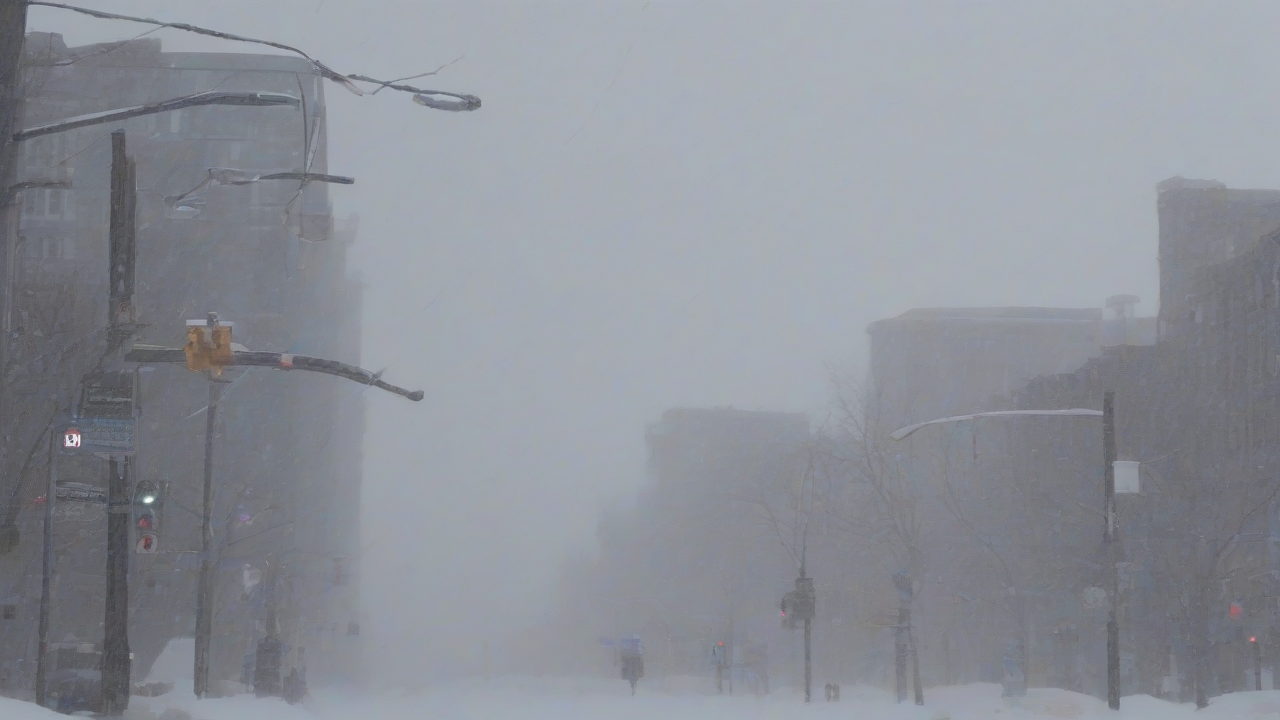
If the forecasts hold, many parts of the United States and Canada could see temperatures plunge into the single digits and below for an extended period. Snowfall may become more frequent, and heavy snow events could strike areas unaccustomed to such accumulation. In Europe, the UK, Scandinavia, and the Baltic states may experience a sharp dip in temperature, increasing the risk of icy roads and power‑grid strain.
What Experts Are Saying
The National Weather Service warns that the early‑season disruption could lead to “a marathon of cold.” Dr. Elena Ramirez, a stratospheric researcher, notes that “the timing and intensity of this event are rare enough to merit close monitoring; we may be looking at a new benchmark for early‑winter cold spells.” Forecasters are urging the public to stay prepared, especially in regions where infrastructure isn’t built for prolonged freezing conditions.

Preparing for the Cold
Residents should check heating systems, keep emergency kits with blankets, food, and water, and stay tuned to local weather alerts. Travel plans may need extra buffer time, and businesses that rely on outdoor work should consider contingency measures.
Looking Ahead
While the exact duration of the cold snap remains uncertain, the early weakening of the polar vortex is a clear reminder that the atmosphere can behave in unexpected ways. By staying informed and taking practical steps, communities can better navigate the challenges of this rare and powerful climate event.